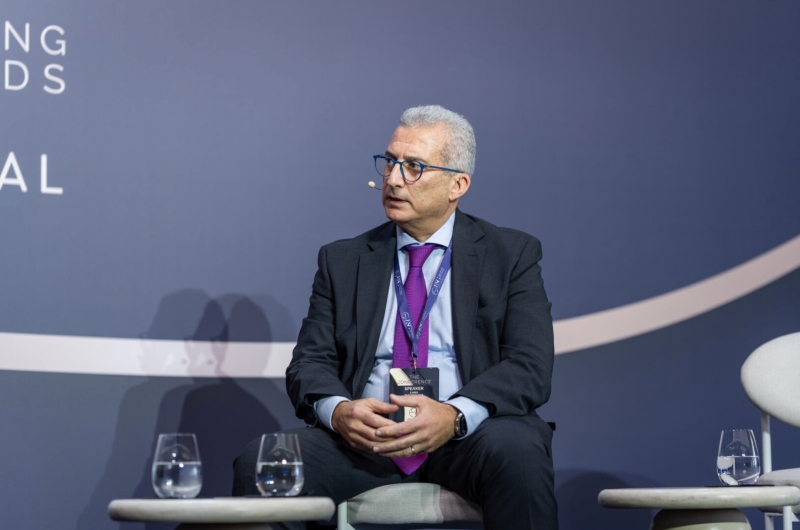
Celestyal CEO Chris Theophilides participated in a CEO interview during the ESG Shipping Awards International Conference in Athens.
The interview brought together the practical lessons of the recent Gulf crisis, the impact of European climate regulation on shipping competitiveness and the role of cruise operators in supporting the destinations they visit.
Theophilides reflected on the company’s experience in the Arabian Gulf, where its two ships remained for 47 days amid the disruption to navigation through the Strait of Hormuz, returning to the Mediterranean in April.
“Resilience is not built up during a crisis. It is built through flexibility, preparedness and the confidence we establish with every stakeholder associated with our business. We live in a tumultuous world, and the only thing we can guarantee is that there will be another crisis. We need to build our resilience for what comes next,” he noted.
Discussing decarbonization, Theophilides emphasized that progress should be measured by results and not just ambition, particularly when addressing the challenge of adapting existing vessels to increasingly demanding environmental requirements.
Referring to Celestyal’s 2025 performance, he highlighted that the company increased its operating days by 14 percent while reducing its overall CO₂ emissions by 10 percent.
He also underlined the importance of working closely with suppliers and partners to bring available solutions into real operating conditions, one example being Celestyal’s collaboration with Coral Marine Products in developing a biofuel blend that delivered a 21 percent reduction in CO₂ emissions.
Addressing the European regulatory landscape, including the EU Emissions Trading System (EU ETS) and FuelEU Maritime, Theophilides stressed the importance of ensuring that environmental objectives go hand in hand with the competitiveness of the European shipping industry.
He cautioned that focusing exclusively on the operational aspects of regulation, without considering the broader value chain, could put Europe’s established expertise in cruise shipbuilding and its future investment opportunities at risk.
“If we’re asked to embrace ESG, which we want to embrace ESG, and we look to investing on a 20, 30, 40-year horizon when it comes to cruise ships, you need clarity on the regulatory environment to go in with billion-dollar investments. You cannot have the situation of fragmented decisions impacting that investment thesis,” he said.
Looking ahead, Theophilides expressed confidence in the industry’s ability to navigate future challenges, drawing on its experience in overcoming previous crises, emphasizing the importance of collective action and cooperation across the maritime community in building the resilience needed for the years ahead.