Europe’s rivers were running low again this summer season, and for Odin Schiffsausruestung, the Bremerhaven-based supplier that keeps roughly 120 river cruise ships stocked with food and provisions each week during peak season, low water means constant improvisation.
“Low water levels often prevent vessels from reaching their intended destinations, necessitating last-minute changes to most of the delivery locations,” said Torben Goerlitz, managing director of Odin Schiffsausruestung. “A vessel might be bound for Passau for example but then finds itself now stranded in Vienna due to the low water.”
For a complete overview of the river market, see the new 2027 European River Report by Cruise Industry News.
When that happens, Goerlitz said, the company reroutes its own trucks and handles customs formalities in-house rather than relying on outside freight forwarders.
“Competitors who rely on freight forwarders and external customs service providers simply lack this flexibility,” he said. “Forwarders may have already accepted new assignments, or customs providers might prioritize other clients’ work before attending to the competitor’s needs.”
Vertical integration has been a part of Odin Schiffsausruestung since its founding in 1987.
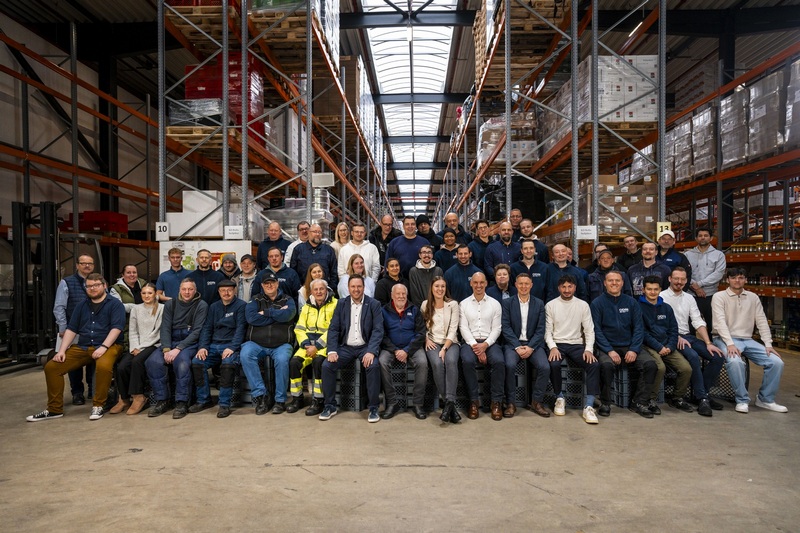
The family-operated business, which grows to nearly 100 employees during peak season, runs its own truck fleet and its own customs department, coordinating the delivery of food, other goods and non-food items to river cruise vessels across Europe.
The company stocks more than 12,000 items, ranging from organic food and MSC-certified fish to gluten-free, lactose-free and diabetic-friendly products.
Demand for those specialty dietary items has ticked up in recent years, though it remains a small part of the overall business, according to Goerlitz.
“Demand for specialty products such as gluten-free, lactose-free and diabetic-friendly items has risen slightly in the years following the coronavirus pandemic,” he said. “However, these products still account for only a fraction of the supplied product range.”
The bulk of the work comes down to logistics and timing where customers typically place orders four to five days in advance, triggering the company’s standardized ordering and packing process.
Then depending on the distance, trucks will leave the warehouse one to two days ahead of a scheduled delivery to ensure that the ships receive their goods on time, right down to the hour.
“During peak season, we supply approximately 120 river cruise ships each week, predominantly using our own fleet,” Goerlitz added. “In doing so, we help ensure that the cruises become unforgettable experiences for the guests.”
The biggest challenges, he said, are sourcing goods on time and planning the most efficient truck routes while adhering to drivers’ hours and mandatory rest periods under European regulations.
Fresh produce presents a particular challenge, since it must be sourced as close to departure as possible to maximize its shelf life once it reaches the ship.
Specialty requests outside the company’s standard product range, whether a specific dietary accommodation or a passenger’s favorite wine or whiskey, can add another layer of complexity to an already tight schedule.
Odin Schiffsausruestung’s model, built around owning the truck fleet and the customs process, (rather than outsourcing them,) makes a whole lot more sense in low water situations and climate change. It is now both an operational necessity and a source of pride.