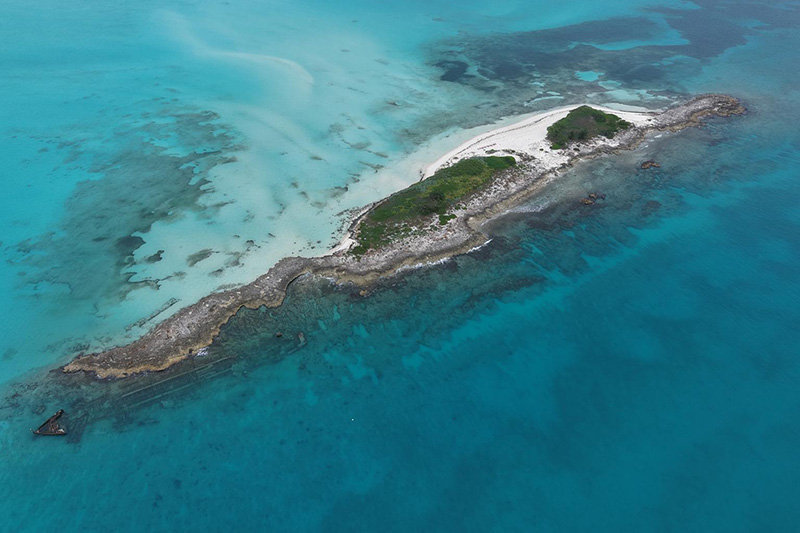
The MSC Foundation has completed another phase of coral restoration in the Bahamas, outplanting 32 nursery-grown fragments of critically endangered elkhorn coral on a reef near Browns Cay.
The initiative has brought the number of corals planted to 285 through its Super Coral Reefs Program.
With marine scientists forecasting high ocean temperatures later this summer, the foundation has also taken the precautionary measure to retain coral fragments in underwater nurseries until conditions are more favorable.
Elkhorn coral is endemic to the Caribbean but is critically endangered. Reports indicate a 97 percent loss across the Caribbean since the 1980s, with eradication at many locations following the 2023-24 marine heat wave.
The foundation said in a press release that for the Bahamas, elkhorn coral remains a vital reef-building species, supporting marine ecosystems and the economy.
“Exceptionally warm ocean conditions are forecast this year, which could place corals under significant stress,” said Emeline Bouchet, marine program manager at the Ocean Cay Marine Conservation Center.
“The NOAA Coral Reef Watch’s July outlook predicts level 2 bleaching conditions for the Northern Bahamas into September. We therefore kept more fragments in our underwater nurseries, where the team can monitor and manage them closely. Restoration is not simply about planting more corals; it’s also about putting them in the best position to thrive.”
As part of the program, coral fragments are grown in underwater nurseries before being “outplanted,” where they are carefully returned to natural reefs to support reef recovery and generate data to inform future restoration decisions.
According to the press release, the Browns Cay site was selected following reef surveys and biodiversity assessments that identified suitable conditions for outplanting.
The marine scientists will monitor the coral reefs around Ocean Cay monthly to track the health and resilience of the outplanted and natural corals.
They will resume outplanting once the marine heat wave has passed and replenish the nursery with new coral fragments.