Polar Latitudes Expeditions is emerging from a significant transformation, having assembled a bigger fleet and absorbed two companies.
John McKeon, founder and chair, described it as a deliberate, multi-year strategy to become the most comprehensive expedition travel company in the industry.
The first move was the acquisition of Chimu Adventures, which added a wholesale and FIT distribution channel along with ship operations experience.
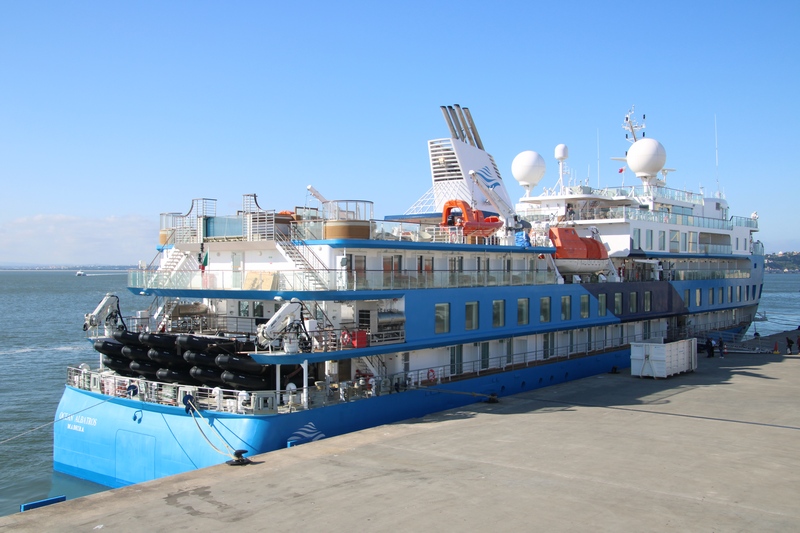
The second acquisition came when Albatros Expeditions became available, bringing a Copenhagen headquarters, a sales team with established group and charter relationships, operations expertise in the Arctic and principal ownership of two new SunStone expedition ships, the Ocean Victory and the Ocean Albatros.
The Albatros Expeditions brand has now been retired, with all operations unified under the Polar Latitudes Expeditions name.
In addition to the Ocean Victory and the Ocean Albatros, the company recently co-purchased the former Exploris One, now renamed the Discoverer, alongside Heritage Expeditions. The ship is currently undergoing upgrades in France.
“You want to control your own destiny and owning ships is step one,” McKeon said.
Polar Latitudes has also entered into a long-term charter on the Ocean Nova, which will operate regular itineraries from Ushuaia in the 2026-27 season before transitioning to a fly-cruise program beginning in 2027-28.
The Ocean Nova accommodates roughly 75 guests; the Discoverer will carry approximately 140 to 144; and the two SunStone ships operate in the 175 to 180 range. The company now has 100 more departures across the next two seasons.
Polar Latitudes’ approach, McKeon said, has been to compete on value rather than price.
“We all go to the same place, we see the same sites and the difference is who do you want to travel with, and do you align with their values?” McKeon explained. “That has been a very successful proposition for us.”
McKeon said Polar Latitudes is in early discussions regarding a potential newbuild of approximately 200 berths, with a rough timeline of three to five years.
“Many ships in the fleet are really cruise ships that are retrofitted to be expedition vessels,” he said. “We want a true expedition ship: lots of outdoor deck space, great zodiac operations, central gathering spaces and a dedicated science lab. And burning less fuel is an essential part of how you can survive in this business.”
Excerpted from the Summer 2026 Cruise Industry News Quarterly Magazine.