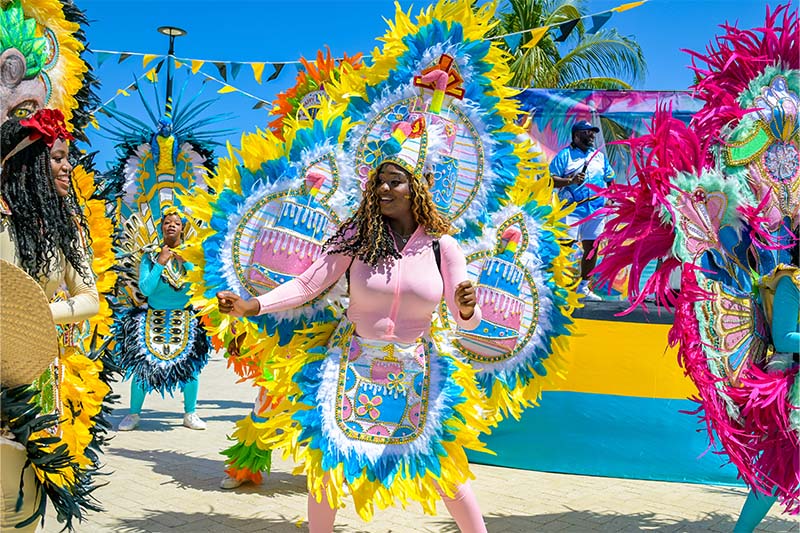
Celebration Key, Carnival Cruise Line’s destination on Grand Bahama, has celebrated its first anniversary, having welcomed 2.4 million guests since opening on July 19, 2025.
The destination’s milestone was celebrated with a day of special festivities for guests visiting aboard the Carnival Conquest and Carnival Freedom.
“We’ve built something special here at Celebration Key,” said Christine Duffy, president of Carnival Cruise Line.
“Our goal is to create unforgettable memories for our guests, and in its first year, the destination has done exactly that for more than 2 million people. We’re proud to be part of those moments while also creating real, lasting impact in the local community,” added Duffy.
“As we look ahead, we’re excited to continue building on this momentum, creating new experiences for our guests and deepening our commitment to Grand Bahama and its people.”
The company said in a press release that the milestone marks a successful inaugural year defined by unforgettable guest experiences, meaningful community partnerships and economic opportunity for Grand Bahama.
In its first year of operation, Celebration Key delivered on the following:
- Over 500,000 thrill-seekers raced down the destination’s signature waterslides
- Over 400,000 sweet treats were served by Mini Donut King
- Over 100,000 Piña Coladas were enjoyed by guests across the island, and
- Hundreds of Junkanoo parades brought the energy and music of The Bahamas to travelers.
Celebration Key also achieved a milestone by becoming the world’s first cruise destination to earn Sensory Inclusive Certification through the partnership with KultureCity, the company added.
According to the press release, more than 80 percent of Celebration Key’s food and retail operators are locally owned, including Bahama Mama Seafood Pit, Flipping Fritters and Mini Donut King.
The anniversary also coincides with Carnival Corporation’s expansion of its Less Left Over food waste reduction strategy to The Bahamas, where the Carnival Freedom and Carnival Conquest made the program’s first surplus meal donation in the country, redirecting prepared, unserved meals to local community organizations on Grand Bahama.