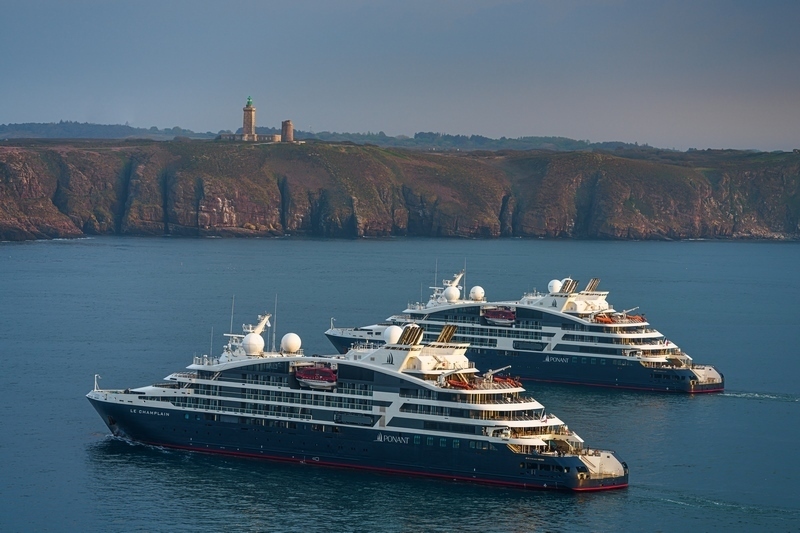
Developing new itineraries requires a balance of guest insights, regulatory understanding and real-world scouting, according to Sylviane de Tracy, director of cruise research and development for Ponant.
The process begins with understanding passengers’ evolving expectations and preferences, she explained.
“Surveys are being sent out with different options and different choices. Both our current customer base and potential customer base are asked why they choose where they are sailing and what their expectations are.”
These evaluations are a critical tool for keeping the product aligned with evolving guest expectations, she said.
Once a new destination is chosen, Ponant collects data from ground operators, port agents, local communities and maritime staff to create a draft itinerary.
The company is currently planning deployments for 2029 and 2030, she said, thus requiring a clear, long-term picture of all applicable regulations and permits.
“We need to be able to construct itineraries based on those regulations and make sure that we abide by them,” de Tracy added.
Before committing to this new destination, Ponant’s team consults domestic cruising rules, tax structures and specific operational allowances, such as whether Zodiac cruising or marina platform swimming is permitted, she continued.
With the itinerary in hand, the scouting phase begins. Site inspections are timed to the exact period the cruise will operate, ensuring accurate conditions for weather, flora, fauna and daylight, de Tracy noted.
During a recent site inspection in the Philippines, the company evaluated port infrastructure and tidal impacts on jetties to establish alternative operational plans.
“Some work regardless of tide. Others are tidal, so at low tide, it will be too dangerous, so we have to find a Plan B,” de Tracy noted, highlighting the support of Ponant’s maritime department in analyzing topics such as winds and currents.
To deliver its expedition product, Ponant sails with 10 to 15 additional naturalists onboard, which means a large investment.
As such, it’s important that these professionals have supportive or leading roles in activities every day, she said.
Ponant offers three levels of exploration cruises, de Tracy noted, balancing Zodiac-heavy operations with traditional city calls featuring cultural attractions such as museums.
Community integration is another cornerstone of Ponant’s planning, de Tracy added, with the brand prioritizing local experts as onboard naturalists and co-creating activities directly with destinations.
Citing the Philippines as an example, de Tracy described a community-based activity where an entire village participates, from schoolchildren greeting guests to locals sharing traditional fishing methods, handicrafts and festival reenactments.
“We want the destinations to remain true to themselves. Don’t build anything. Don’t create anything. Just show what you’re famous for or what you do best,” she said.
“We don’t need fancy terminal buildings. Our guests want authenticity and immersive experiences,” de Tracy continued.
For Ponant, luxury also lives in unexpected moments, she said; surprises deliberately built around experiences that money can’t buy.
“So, we build those little surprises into the itinerary. We don’t publish it because then it would be a surprise.”
Ultimately, the goal is to build long-term relationships that benefit both the company and locals, de Tracy noted.
“We want to co-create with the local communities true, authentic, immersive experiences that will benefit the local communities in the long run.”